Author: Graham

  • Gourmet Coffees

    Gourmet Coffees

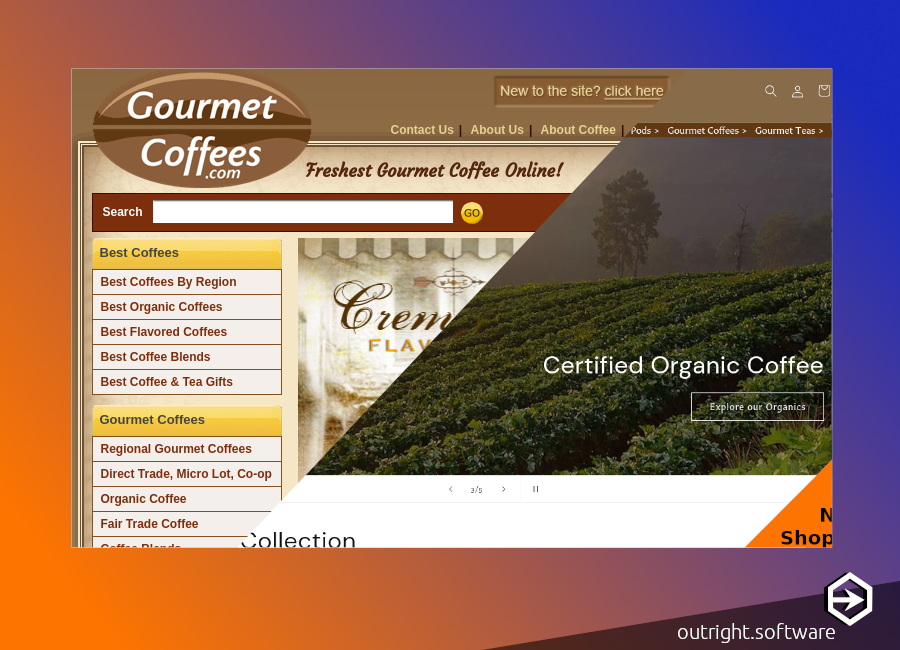
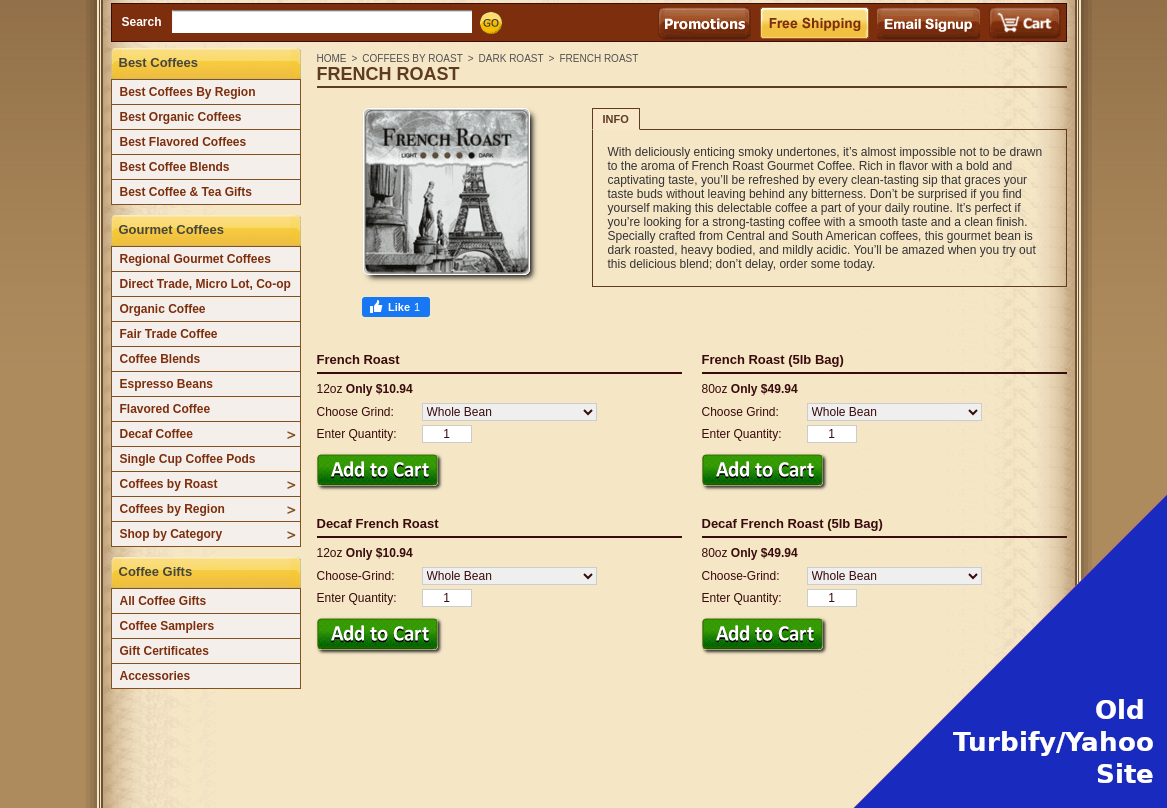
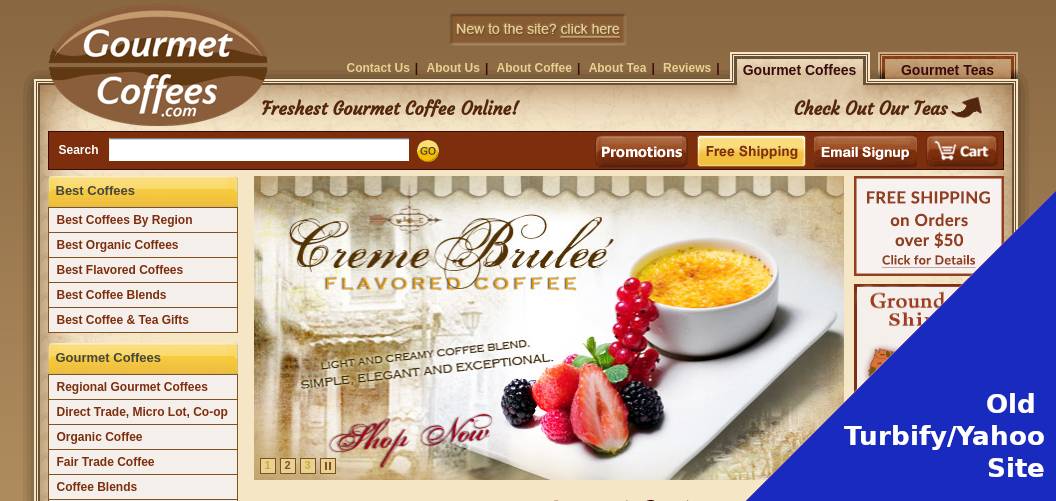
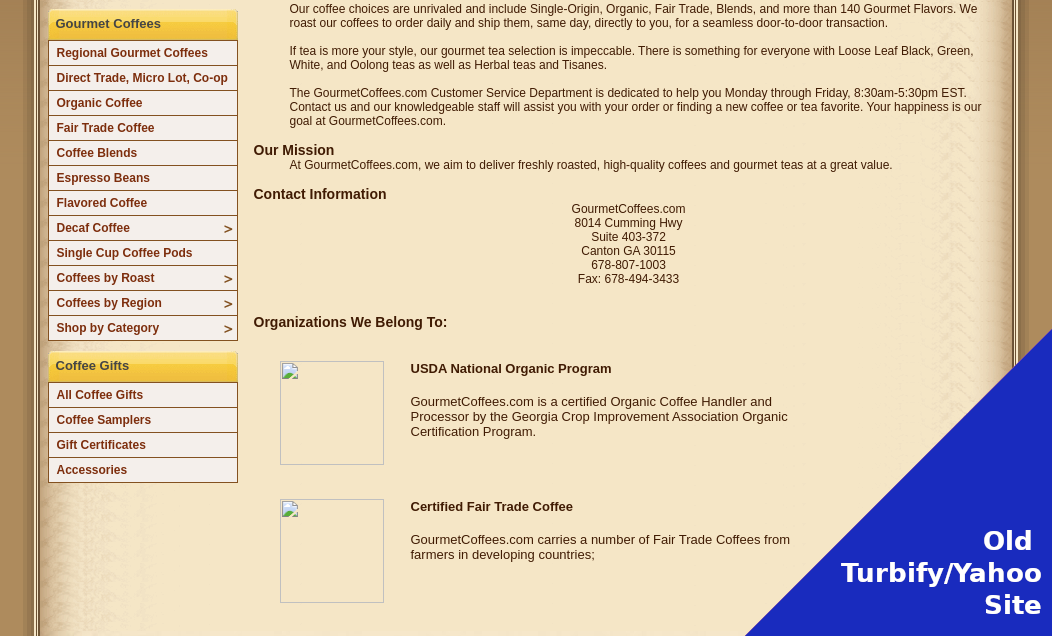
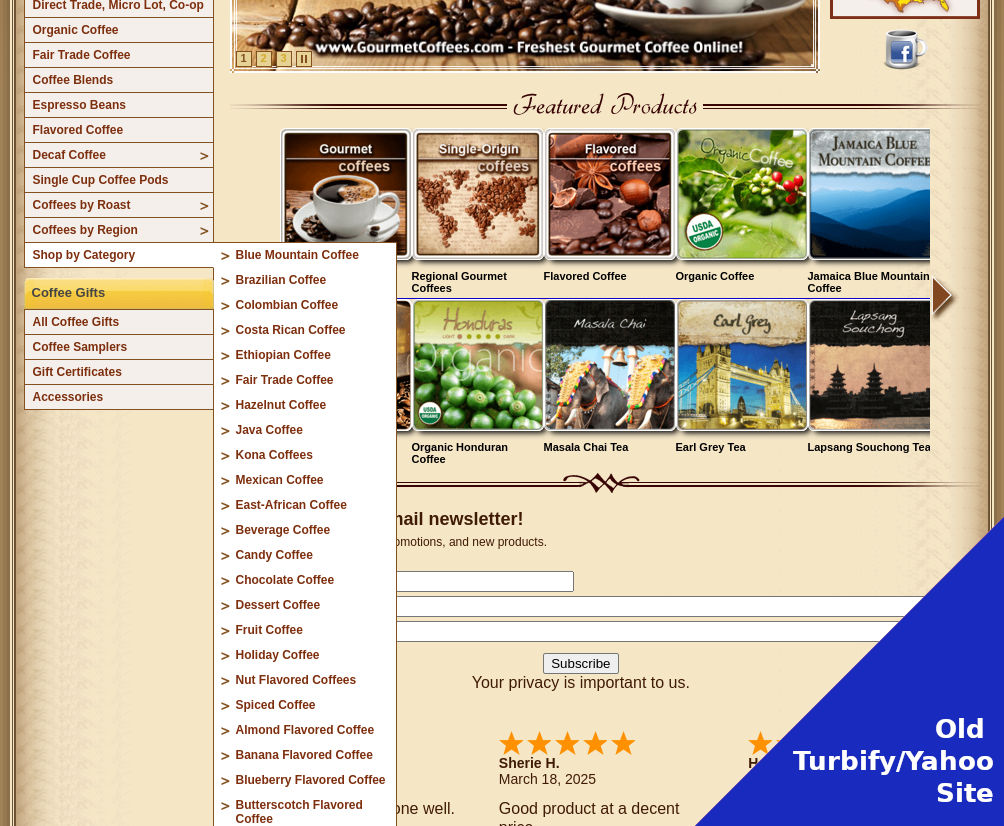
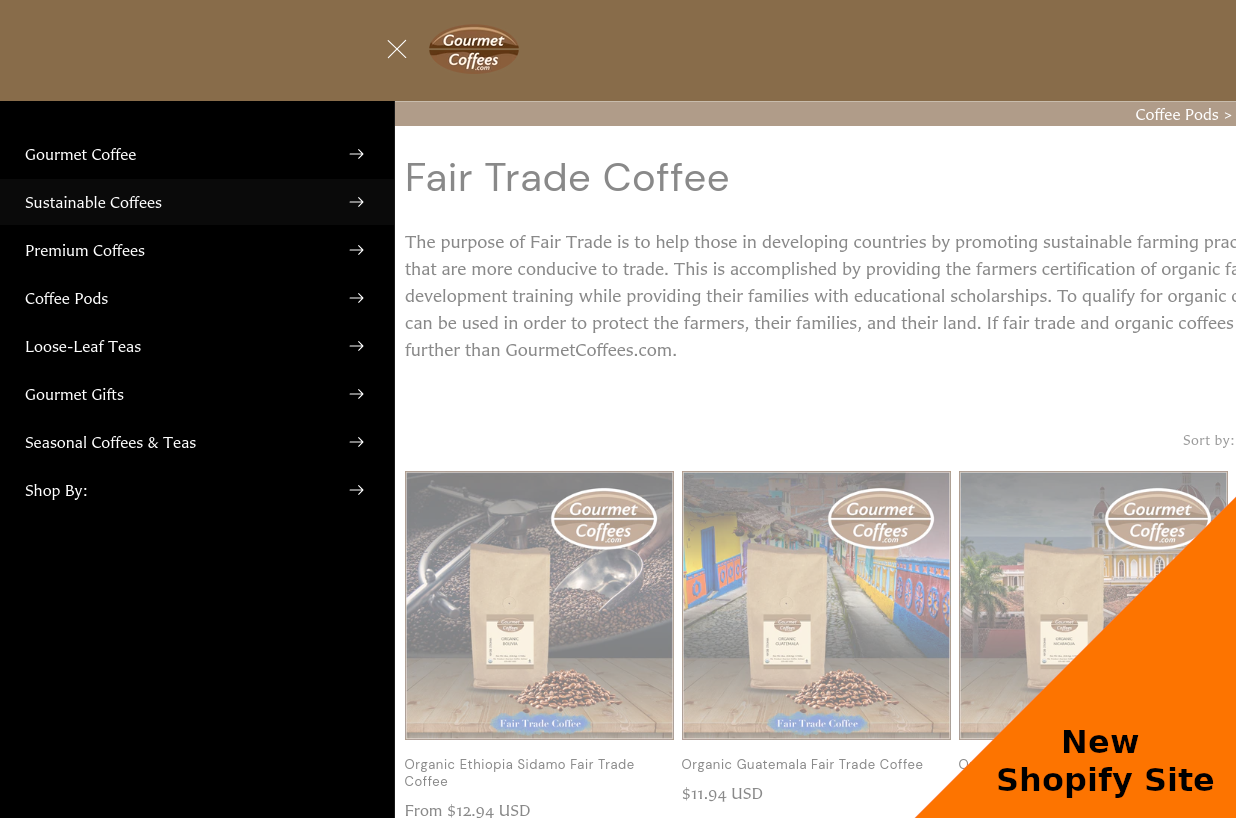
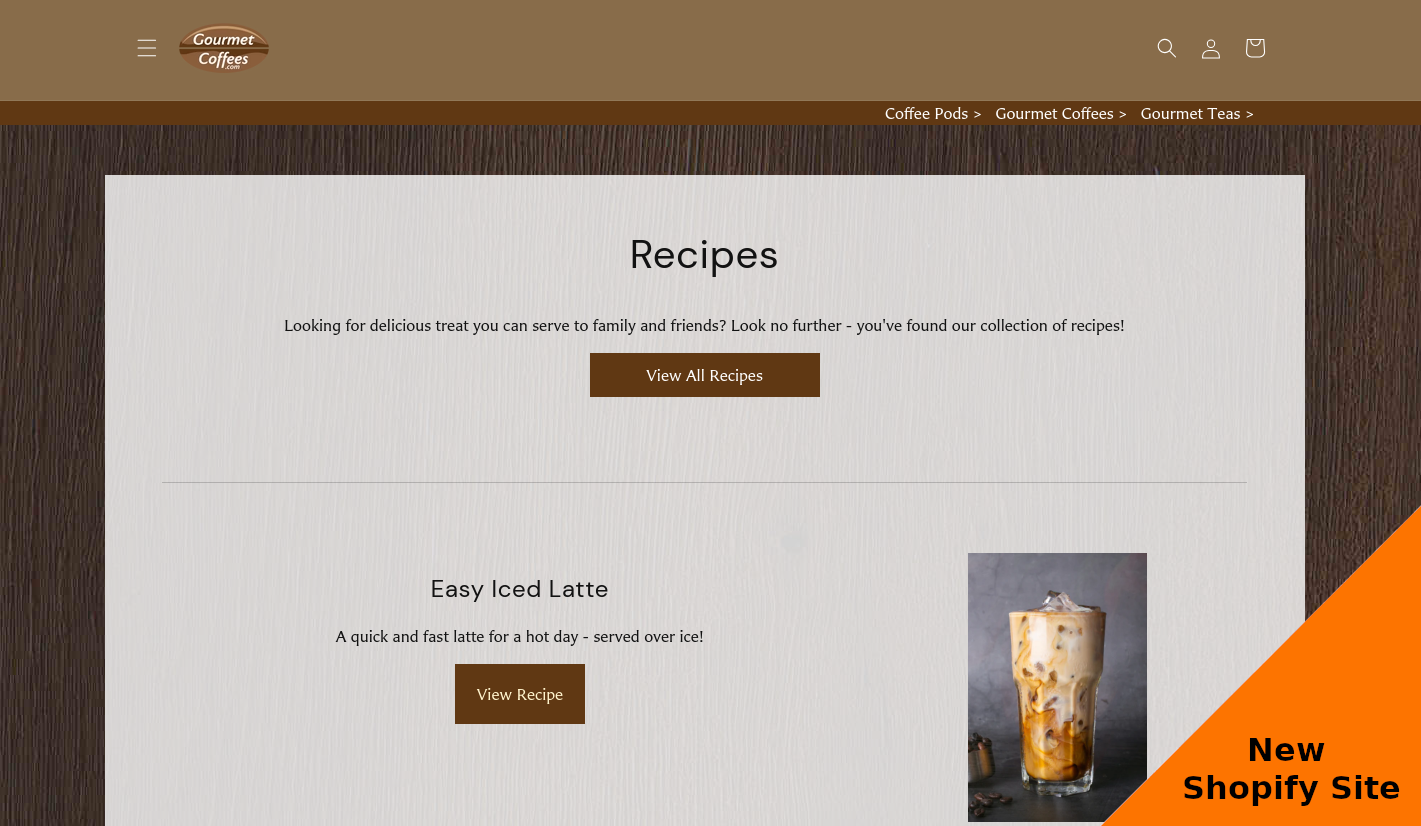
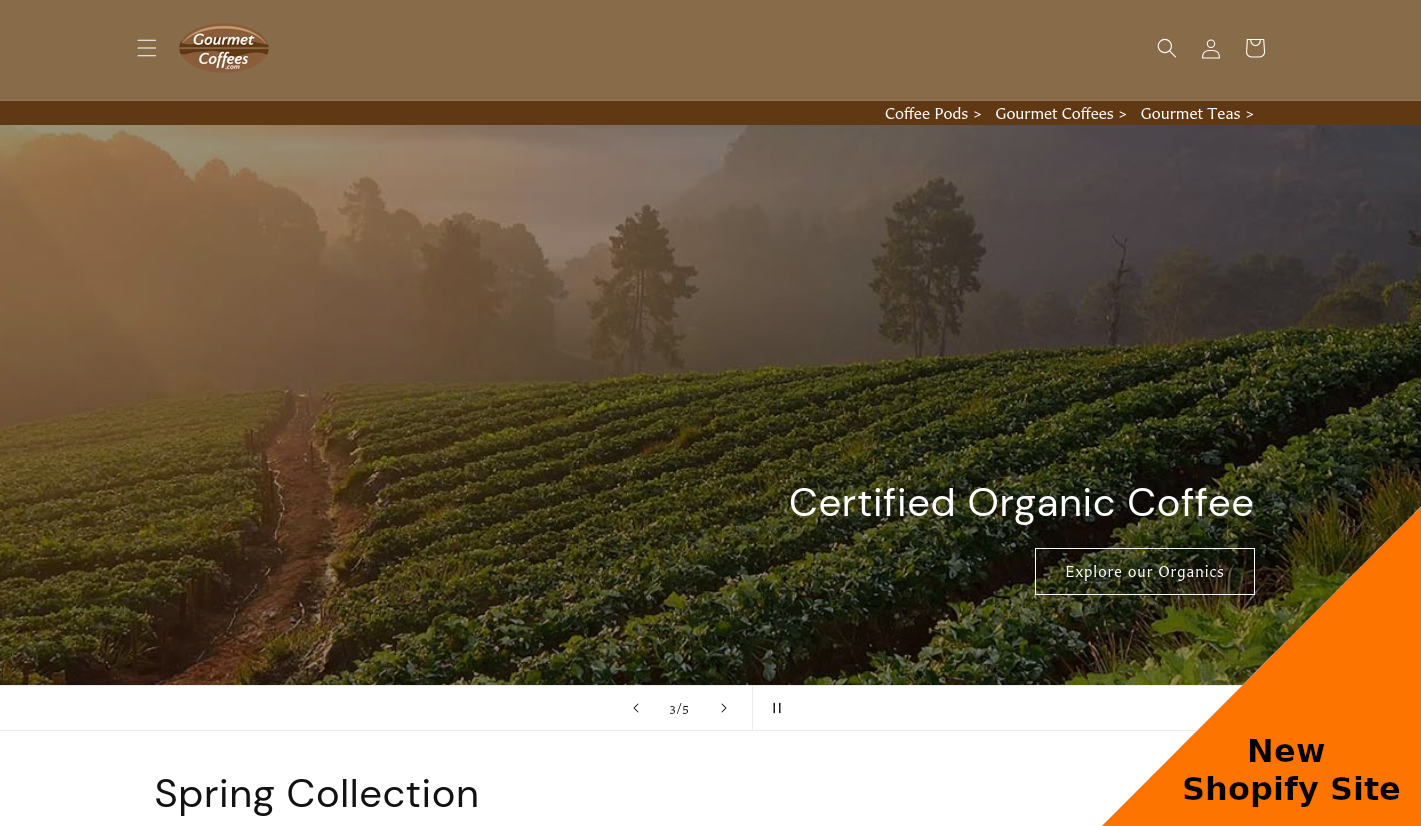
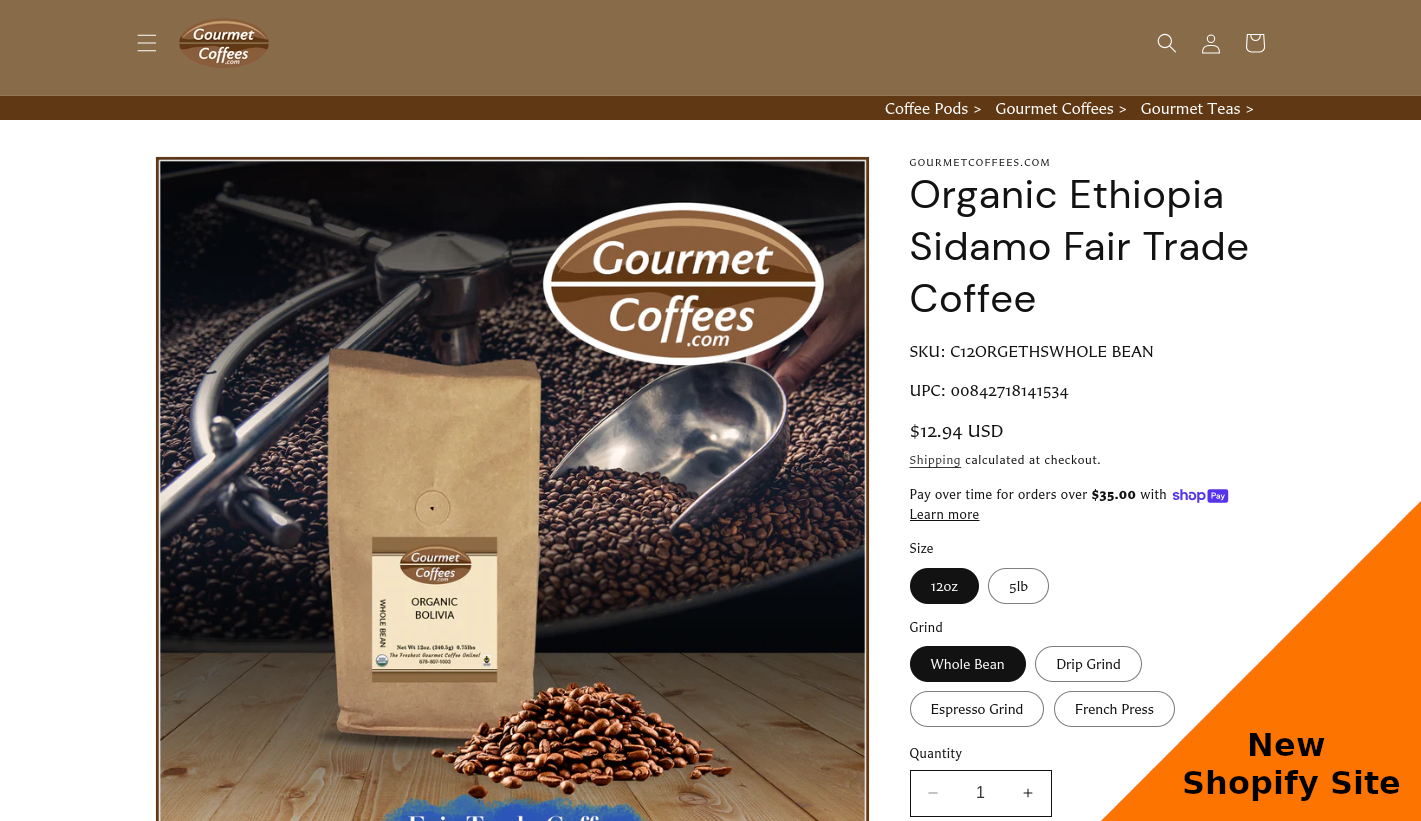
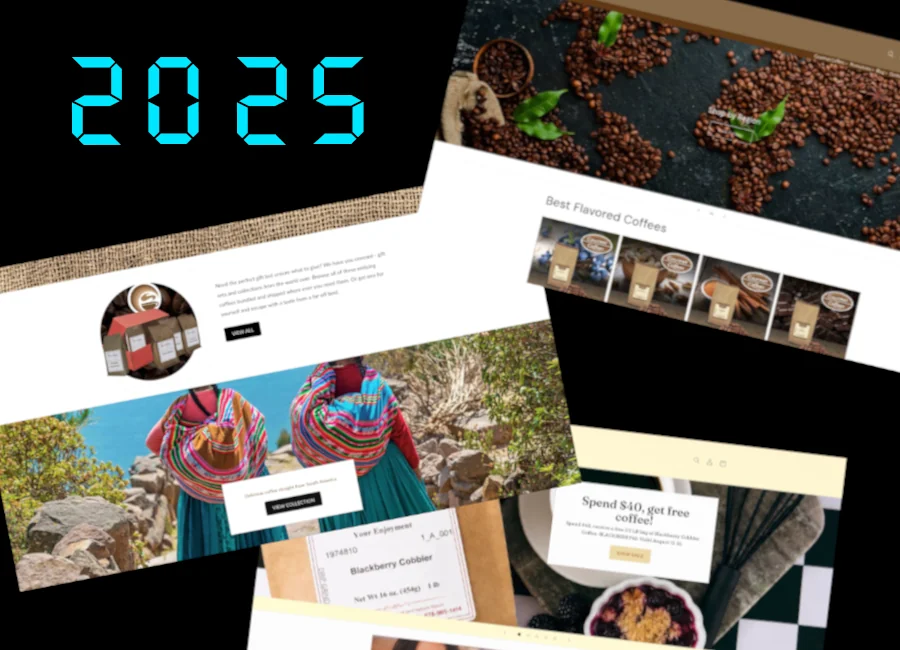
    On April 7th, myself and Artic Leaf launched a website: GourmetCoffess.com. This redesign, of an outdated eCommerce site was a very long time in the making. There were a number of things I took away from this project and can now apply those processes to two more sites in development. From the site, you can see that there’s a much cleaner look overall for gourmet coffees. The font is now a reasonable size and the colors follow a design pattern.

    There was a massive life with the product graphics. There was a “waterfall” incident as well, but I won’t write about that here. That said, there are 180 product images, each with a unique background, a group label at the bottom, and text on the label which was adjusted for each. Originally, there would have been double that and miscommunication led to the waterfall moment. I was the primary person driving the product with a considerable amount of assistance from Kelly @ Artic Leaf.

    There were a handful of integrations that were pulled into the new site with the largest being Klaviyo. The flows/automation was duplicated from another site and a fun little bug hunt trying to connect the _dmarc record which require the value to be wrapped in double quotations. A support ticket notifying their team was sent in the hope it will help someone else out there hitting the same brick wall. Using .liquid, I created custom page and collection templates as requested.

    Enjoy!

    https://gourmetcoffees.com

    Before:

    After:

    If you have questions about the process, the graphics, the software used or something else related to this project, please feel free to reach out. I’d love to discuss this or other site plans for business. If you’re wondering, this is a custom version of the default theme for Shopify: Dawn.


  • SQWKLER

    SQWKLER

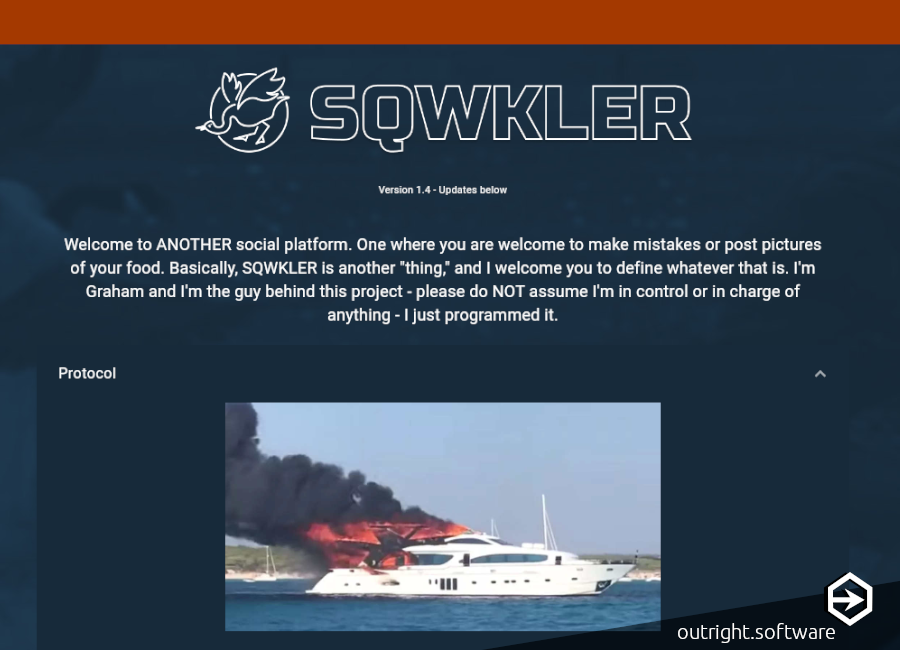
    Due to the absolute lack of interest in SQWKLER, I didn’t hype it up or post much about it. It’s always interesting (and humbling) to create something, along with a lot of invested time, and the reception is, “Okay.” I was even asked why I did it. It’s a good question and totally valid. Here’s my reason: It is a project I can use in my portfolio and I wanted to. I’m not trying to be a jerk, it’s just that I don’t have a lot that I can call my own and the majority of my time is used to help my employer or my clients.

    Approach

    I started SQWKLER with a basic Flutter app and set out to add authentication. Flutter and Firebase are both open source and free to use with freemium and priced plans. Authentication allows for user creation and each user can then create their own profile. That was it – a starter app + authentication. Should be easy right? You know darn well it wasn’t. There are two tutorials that flat out don’t work, one that creates all of the functionality that’s already written by Google, and then the one I eventually found which still had a hurdle to get over. The experience was only slightly frustrating so I reassessed the process.

    Features

    This was towards the beginning of 2024 and I was already using AI for a number of things. I remember the feeling of “Oh WOW, why didn’t I think of this earlier,” when I realized that ChatGPT works with .dart. Boom – instant progress. I started to blow through bugs, long docs, large functions and classes, and I then dropped $9 on a month of top tier ChatGPT which gave me more time and late nights of productivity. I moved from Authentication to Firestore Database and Storage which enables livestreams.

    Finish

    From there I added an “about” screen (section) and took the livestreams further with “flocks” which are more or less “groups.” With ChatGPT, there were still hurdles, but they were overcome so quickly that it was mind bending. I couldn’t believe how fast it was. I don’t want to give away the entire process of the project and the other functionality I created for it, but the last two features were private messaging and then I hosted it – again, free with Google Firebase.

    Alongside Altimeter, this is software. This is what I love to do.

  • State of the Word

    State of the Word

    In the State of the Word, Matt Mullenweg reveals from Tokyo the year of 2024 and WordPress’ journey into 2025. I didn’t get a chance to view this live as it occurred later in the year as apposed to the WordCamps before COVID. Matt opened by acknowledging Japan, it’s people, and it’s cultural contribution to the WordPress project and went into the year’s progress which included the increase of market share on the internet. Then, he mentioned the plugins and themes. In 2024 I updated my own theme, Altimeter, and my website as well to include video backgrounds.


    After the plugins and a quick Gutenberg mention, he handed the presentation to Matias Ventura. Matias talked about design and the progress of Gutenberg. As great as Gutenberg is – it does not pertain to me as I edit the code of pages and templates to deliver my work directly to the viewers. It’s a process I’ve adopted due to my history of using and deploying HTML/CSS. Matias also went over a feature (which I don’t use) native to Gutenberg – design, which has style panels and customized blocks for quick page/post building. Having said that, I still like Gutenberg and one slide that Matias had caught my eye – complete 100% performance on Google’s page speed test. That’s not easy. Also, Matias revealed a project to update the break points for fluid/responsive design.

    Then, I got an idea for a side project I’m working towards with a very close friend – a piece of that puzzle is missing I hope this will work: WP Playground. I’m building out an example “white page” sort of sales site for services I offer and this could be a great sandbox solution for WordPress and showing different layout options for potential customers. Then Matias turned it back over to Matt. It was inevitable that AI would be mentioned it was…briefly. I imagine it’s a huge scare and that’s why very little attention was given to it?

    The next subject, covered by Mary Hubbard, was the legal action involving WPEngine and more WordPress self-promotion and the community growing in other countries.

    The presentation was then handed over to Junko Nukaga, Japan’s community WordPress organizer and WordCamper. Her presentation was given in Japanese and she covered Japan’s contribution and an update for some local organizations working with WordPress. She did great and it was nice to see someone, other than Matt, smile.

    Matt closed out the main presentation (followed by Q&A) with an acknowledge to the core contributor in Japan followed by a quick mention of the data liberation project.